Hard-Rock Lithium Deposits
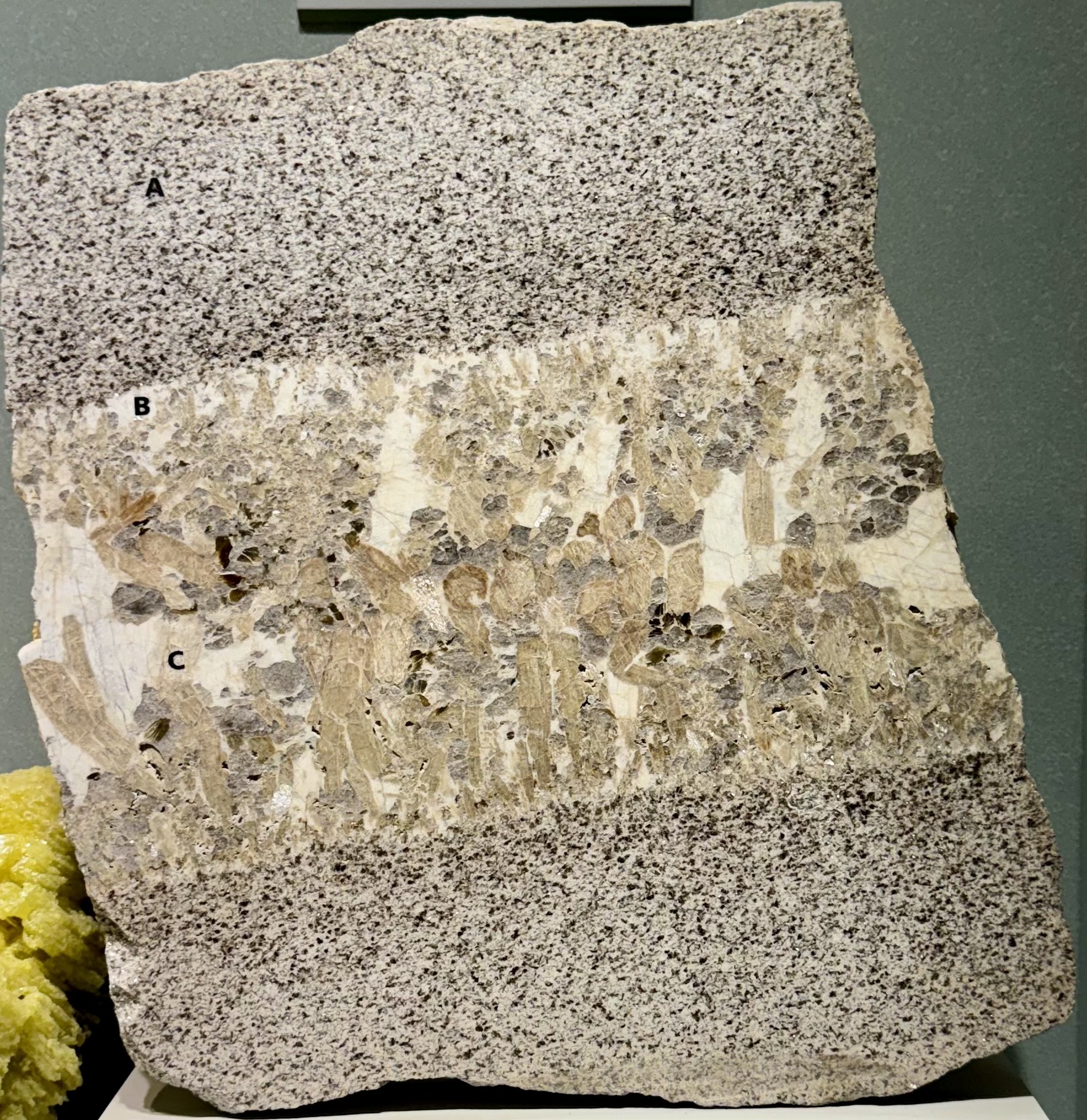
Hard-rock lithium deposits, known as Lithium-Cesium-Tantalum (LCT) pegmatites, are currently the most important global source of lithium. These pegmatites represent the highly fractionated endmembers of granitic magmas and are enriched in “incompatible” elements such as lithium.
Water Quality
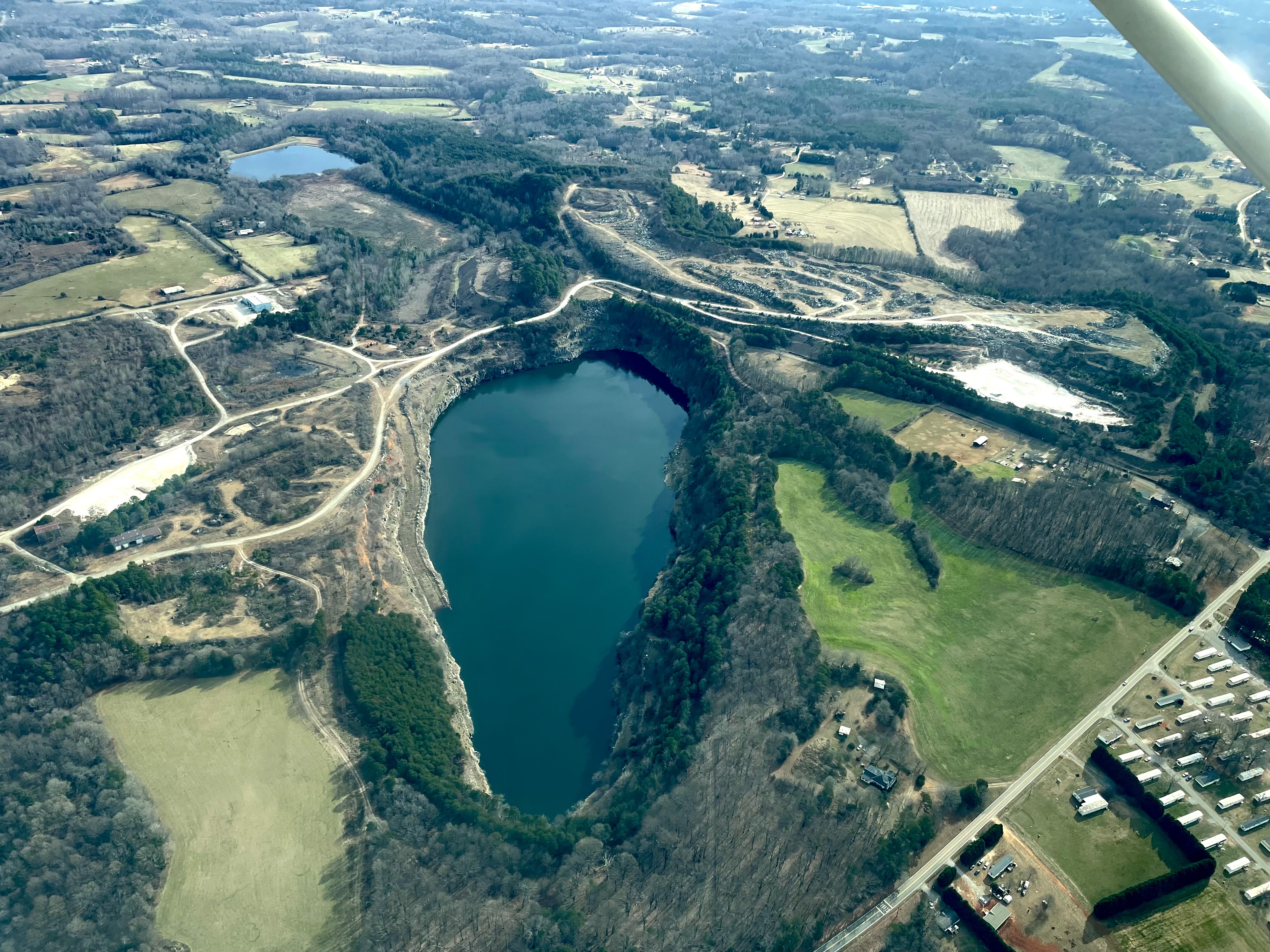
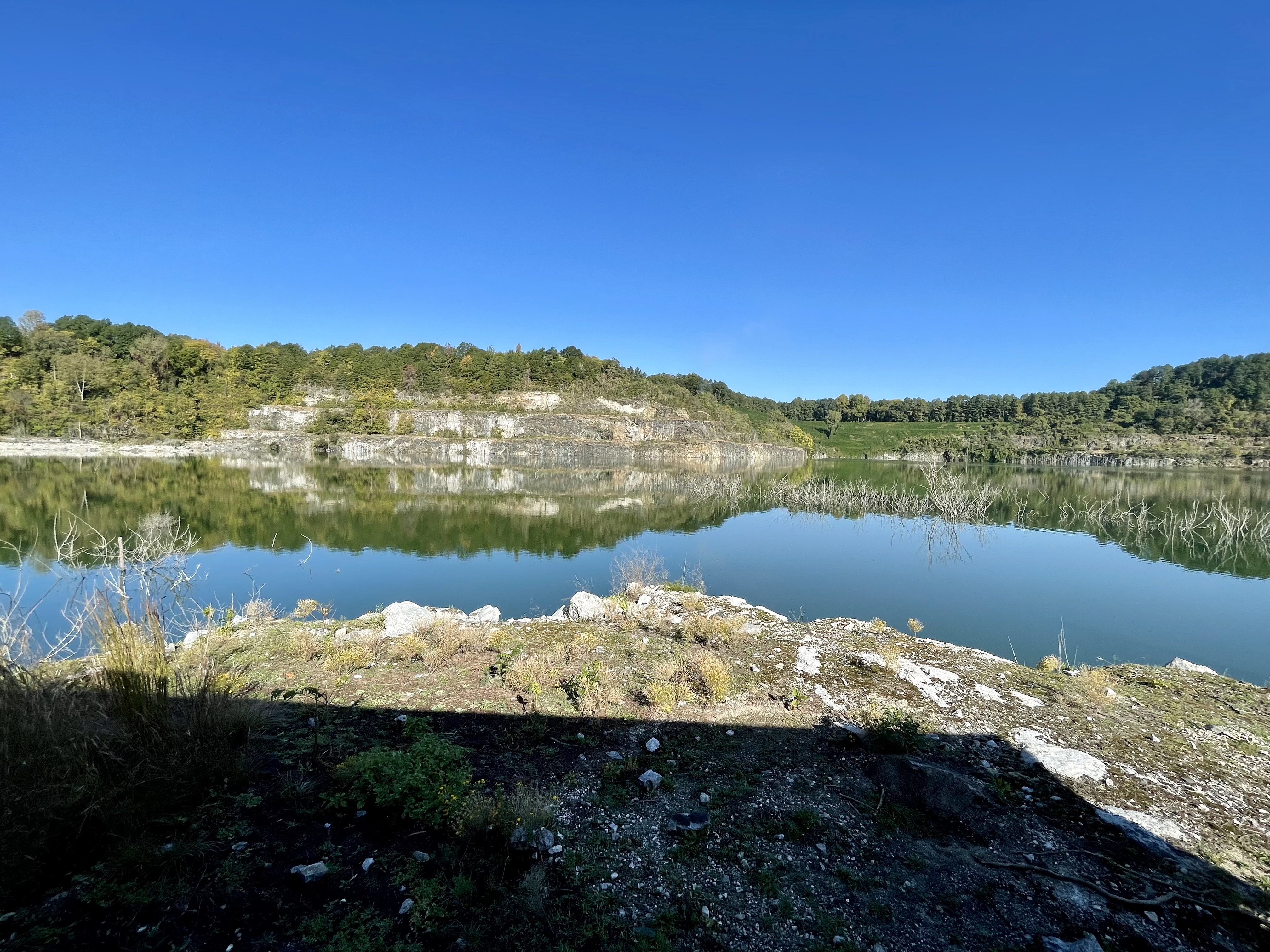
In North Carolina, the Carolina Tin-Spodumene Belt (TSB) is just outside of Charlotte, NC and hosts one of the largest LCT pegmatite resources. From the 1950s through the late 1980s, the TSB was among the world’s most productive lithium mining regions. Although mining has since ceased, legacy open-pit operations remain which have since filled with water forming pit lakes.
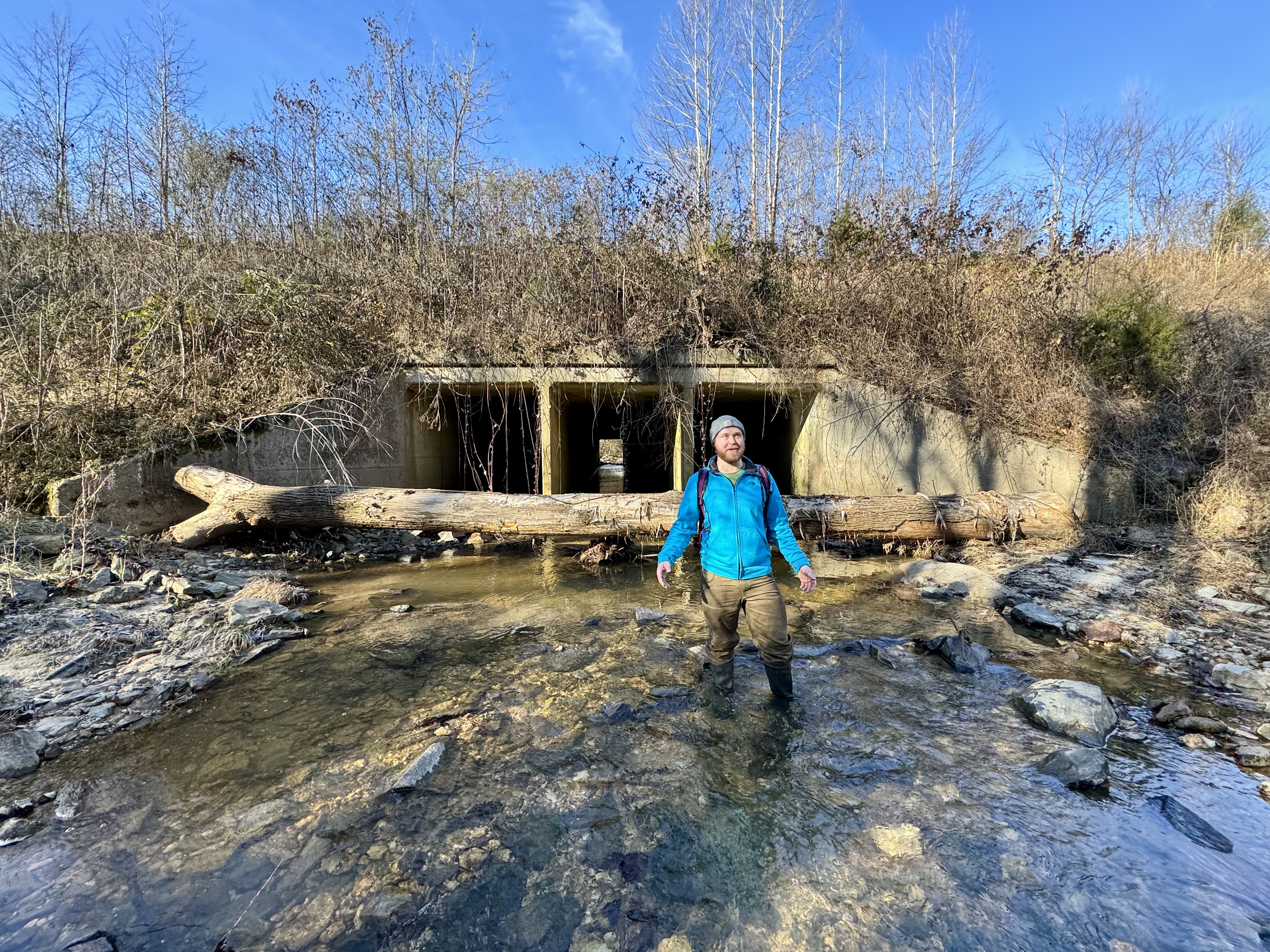
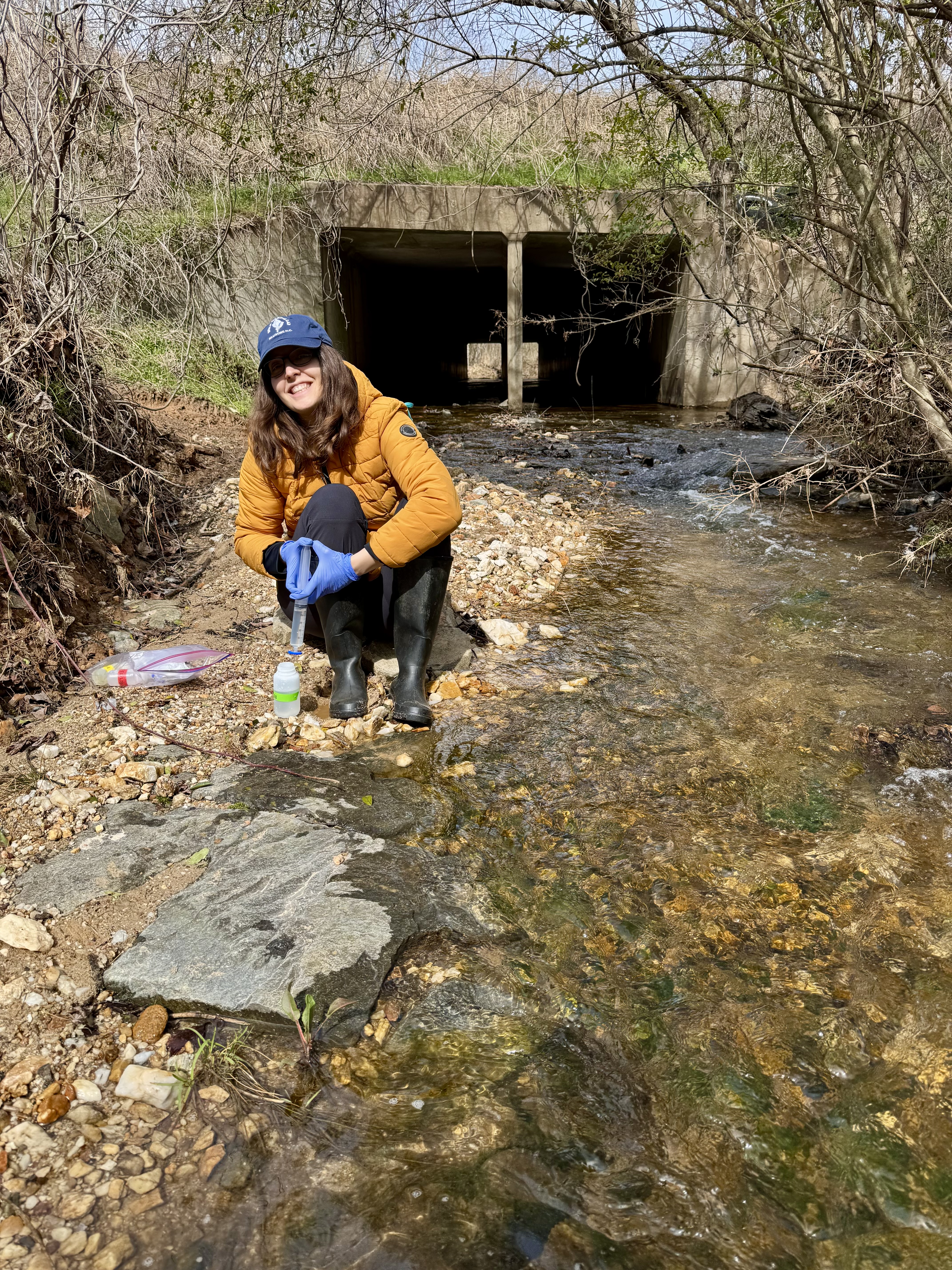
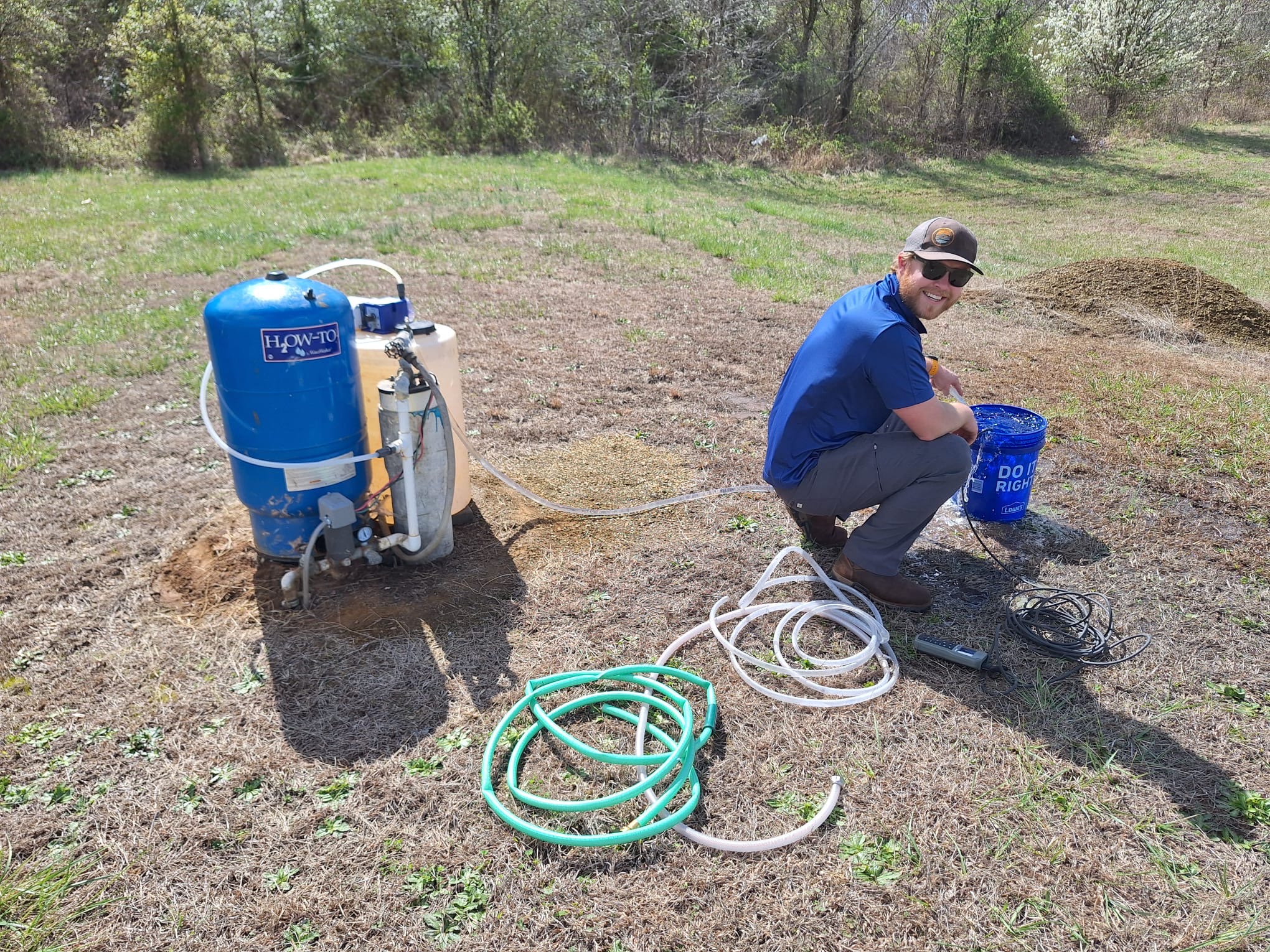
My work investigates water quality across the TSB, with a focus on developing geochemical tracers (e.g. 87Sr/86Sr, Rb/Sr, Ca/SO4) to distinguish natural processes from mining-related impacts. Our research so far indicates that low-abundance phosphate minerals in the LCT pegmatites may play an important role in regulating water chemistry during early stages of mining (check out our Science of the Total Environment article). We also found that lithium, rubidium, and cesium concentrations are consistently elevated in both groundwater and surface water throughout the TSB, reflecting both the natural and mining related water-rock interactions from these pegmatites and also the influence of legacy processing waste residues on nearby water resources. Notably common contaminants in water like arsenic and thallium were not directly associated with mining or processing. Check out our Environmental Science & Technology article that develops geochemical tracers to delineate between natural and mining or processing related water quality impacts.
Soil Exploration
LCT pegmatites commonly occur as swarms of dikes distributed across broad areas. Because these dikes are not always exposed at the surface, and individual bodies may be discontinuous, locating them during exploration can be challenging.
Since soils inherit much of their chemical and mineralogical signature from the underlying bedrock, soil geochemistry is a powerful tool for detecting concealed pegmatites. To support this, we have identified strontium isotopes 87Sr/86Sr) and Rb/Sr ratios as effective new indicators for soil-based exploration.
This method takes advantage of the unusual geochemical signature of LCT pegmatites: they are strongly enriched in rubidium (an incompatible element) and depleted in strontium (a compatible element), resulting in exceptionally high Rb/Sr ratios. Over time, these high Rb/Sr values drive substantial radiogenic ingrowth of 87Sr from the decay of 87Rb, producing extraordinarily high 87Sr/86Sr ratios, in some cases exceeding 121.0 in whole-rock analyses. These values are far above those found in most geologic or environmental materials. Crucially, these distinctive isotopic and elemental signatures are transferred into the overlying soils, where they can be detected and used to pinpoint the location of subsurface pegmatites during exploration.
For a detailed description of this approach, see our publication in Applied Geochemistry.
Photos from the Field
click to expand