Lithium Brine Geochemistry
Overview
Lithium brines are among the most important global sources of lithium, accounting for roughly 40% of global production. These hypersaline brines (commonly ~200–300 g/kg TDS) form as the concentrated residues of inflow waters that have evaporated in closed basins. Over geologic time, they accumulate relatively high lithium concentrations (typically ~100–1000 mg/kg Li). Such deposits are typically restricted to high-altitude, arid regions, most notably the central Andes in the Lithium Triangle (spanning parts of Bolivia, Chile, and Argentina) and the Tibetan Plateau.
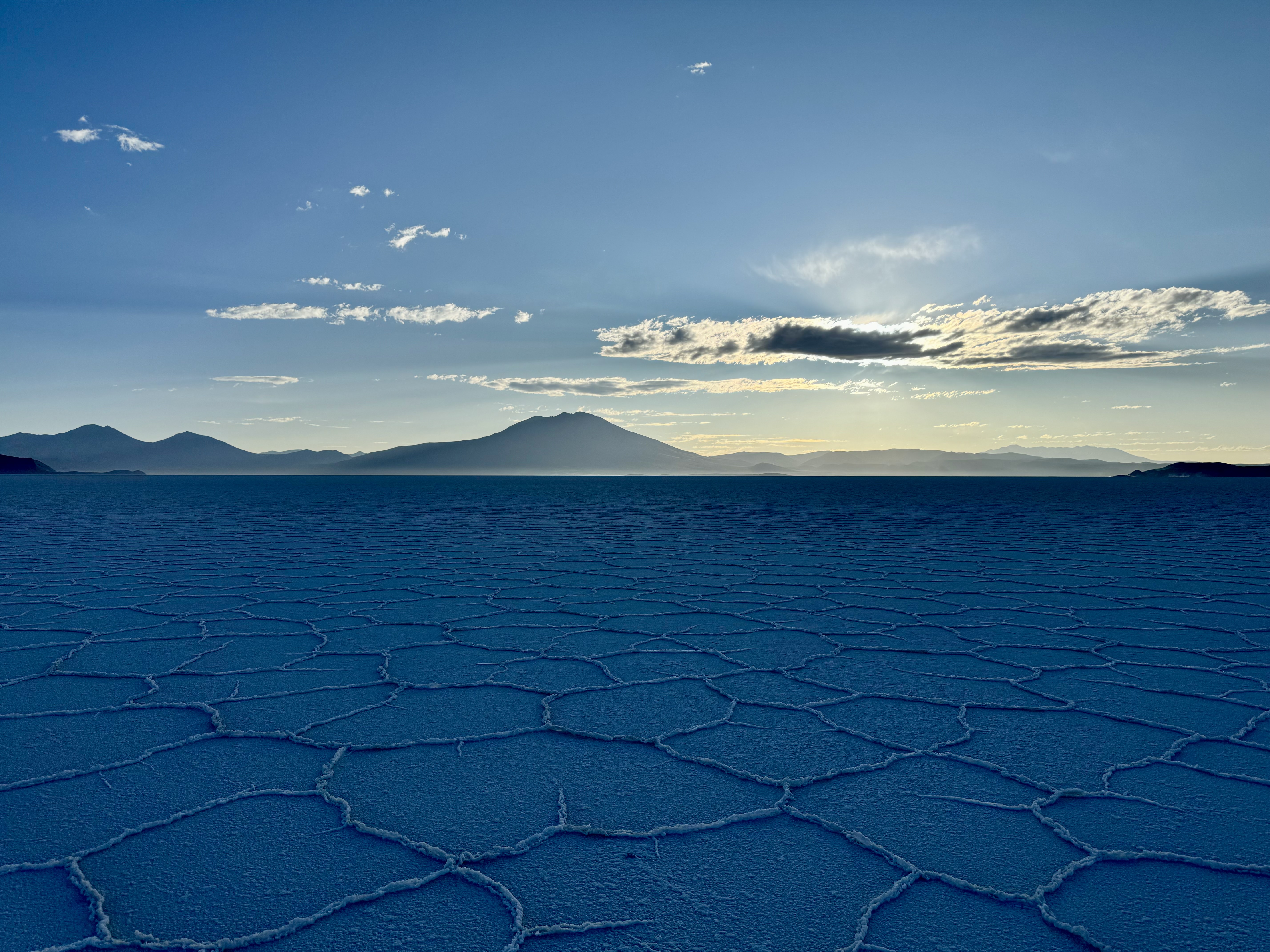
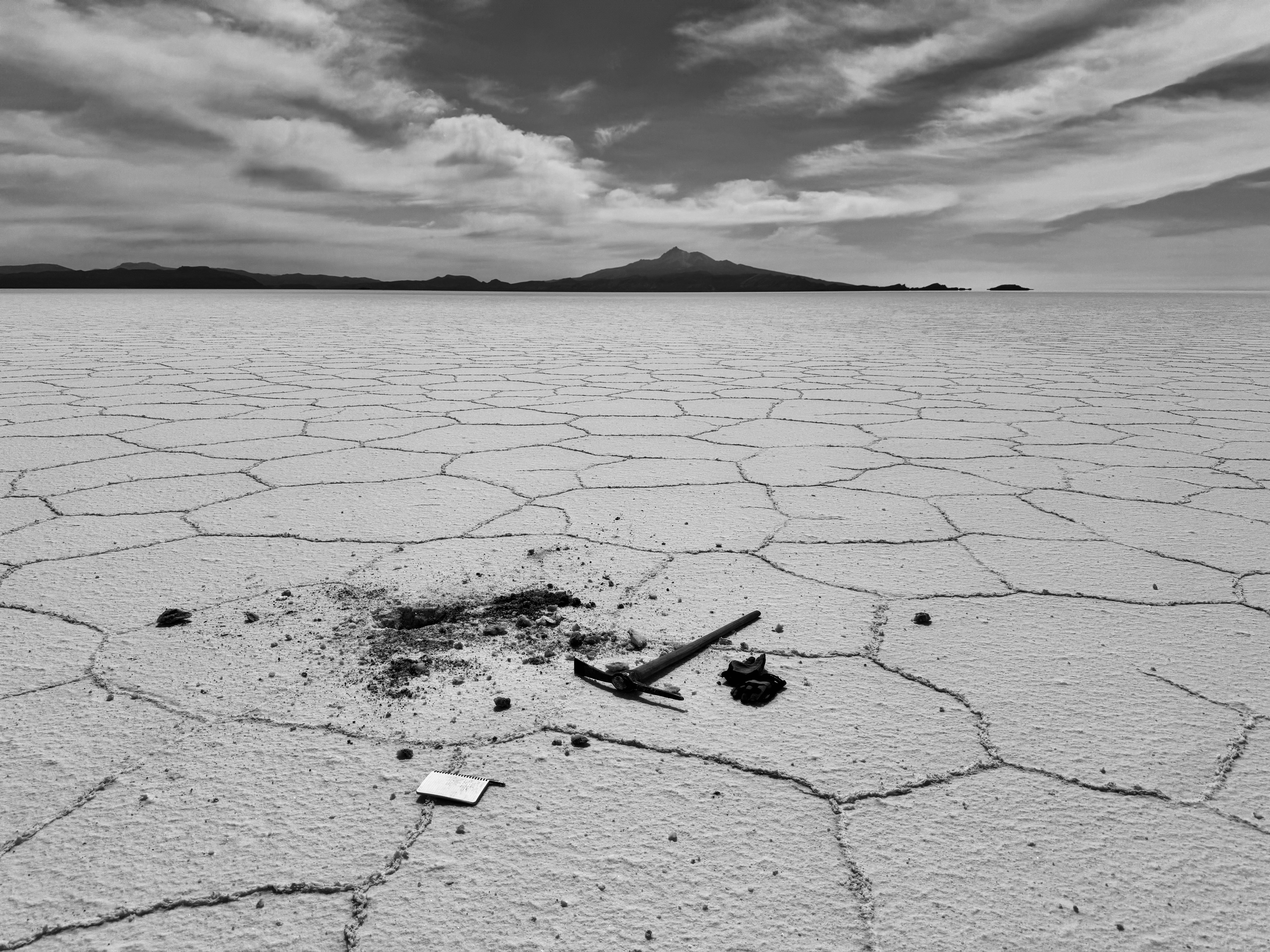
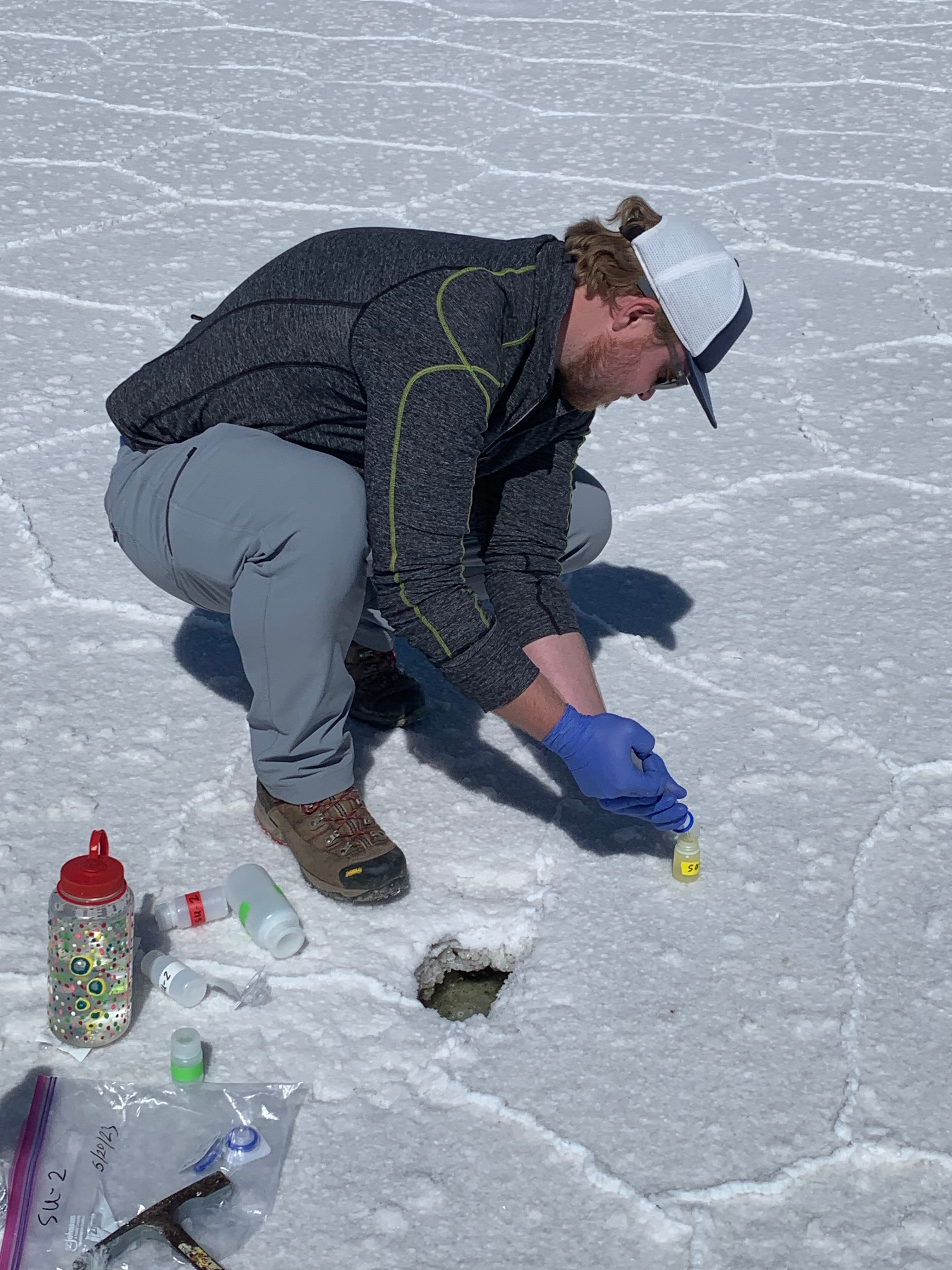
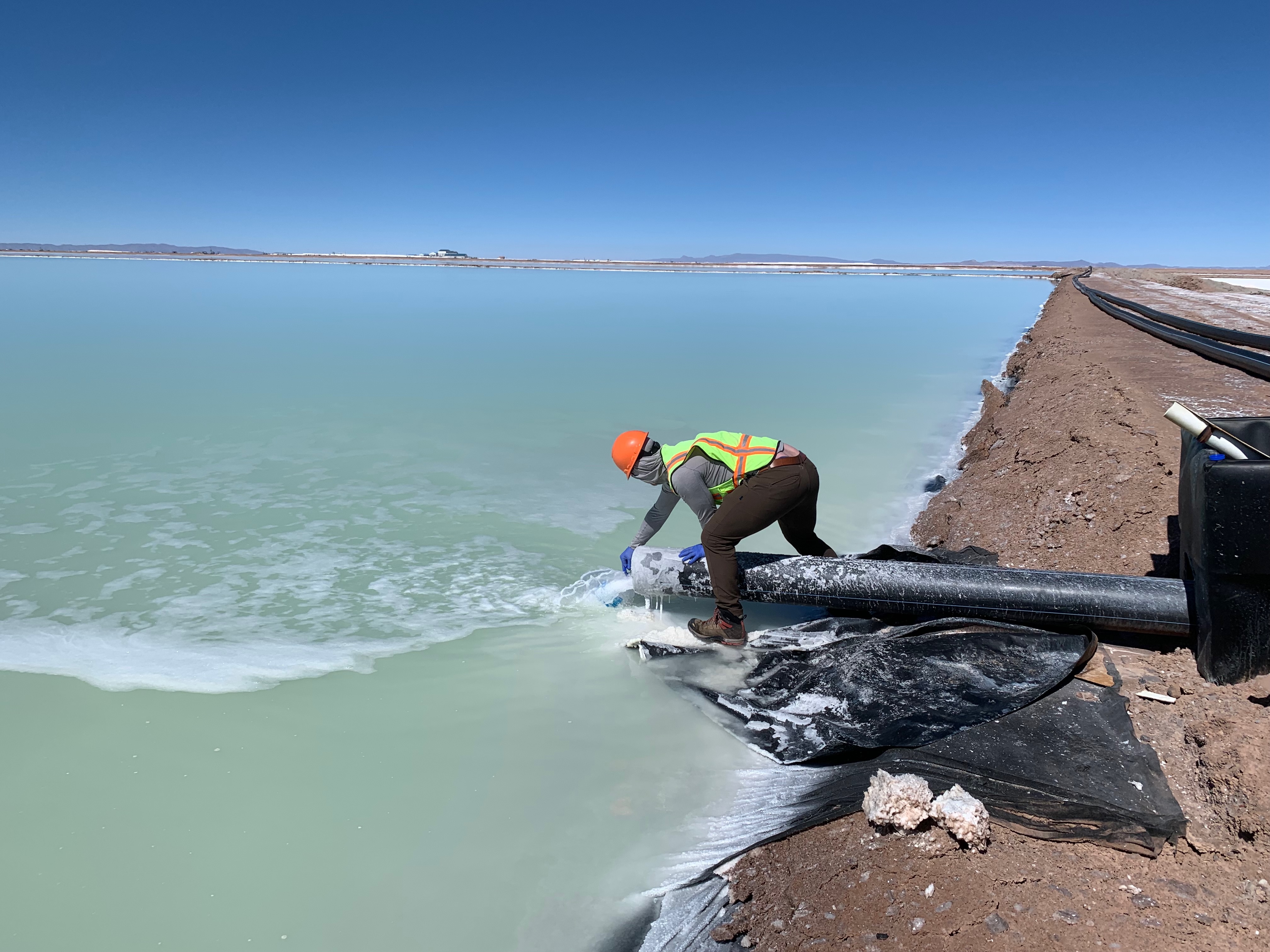
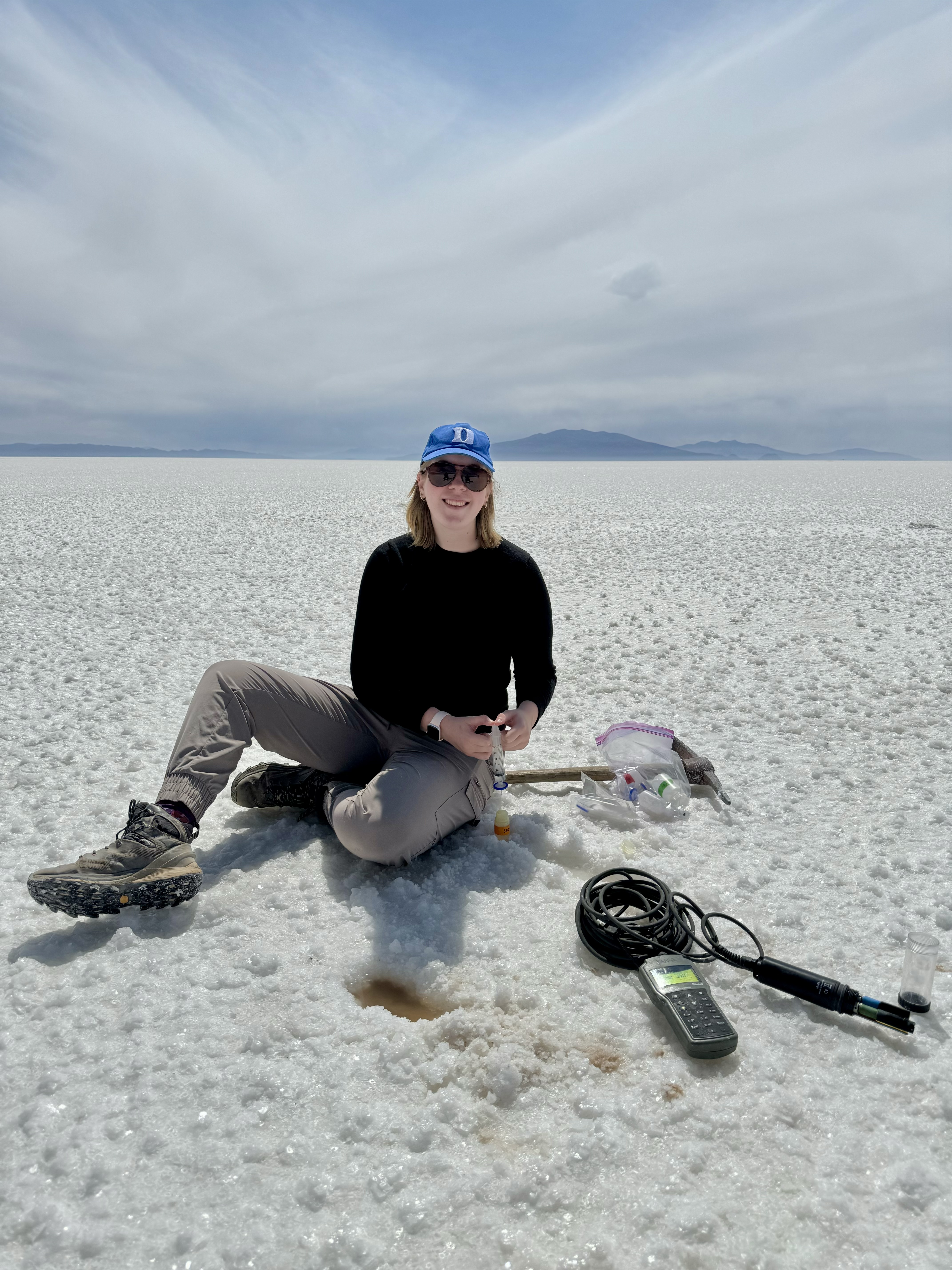
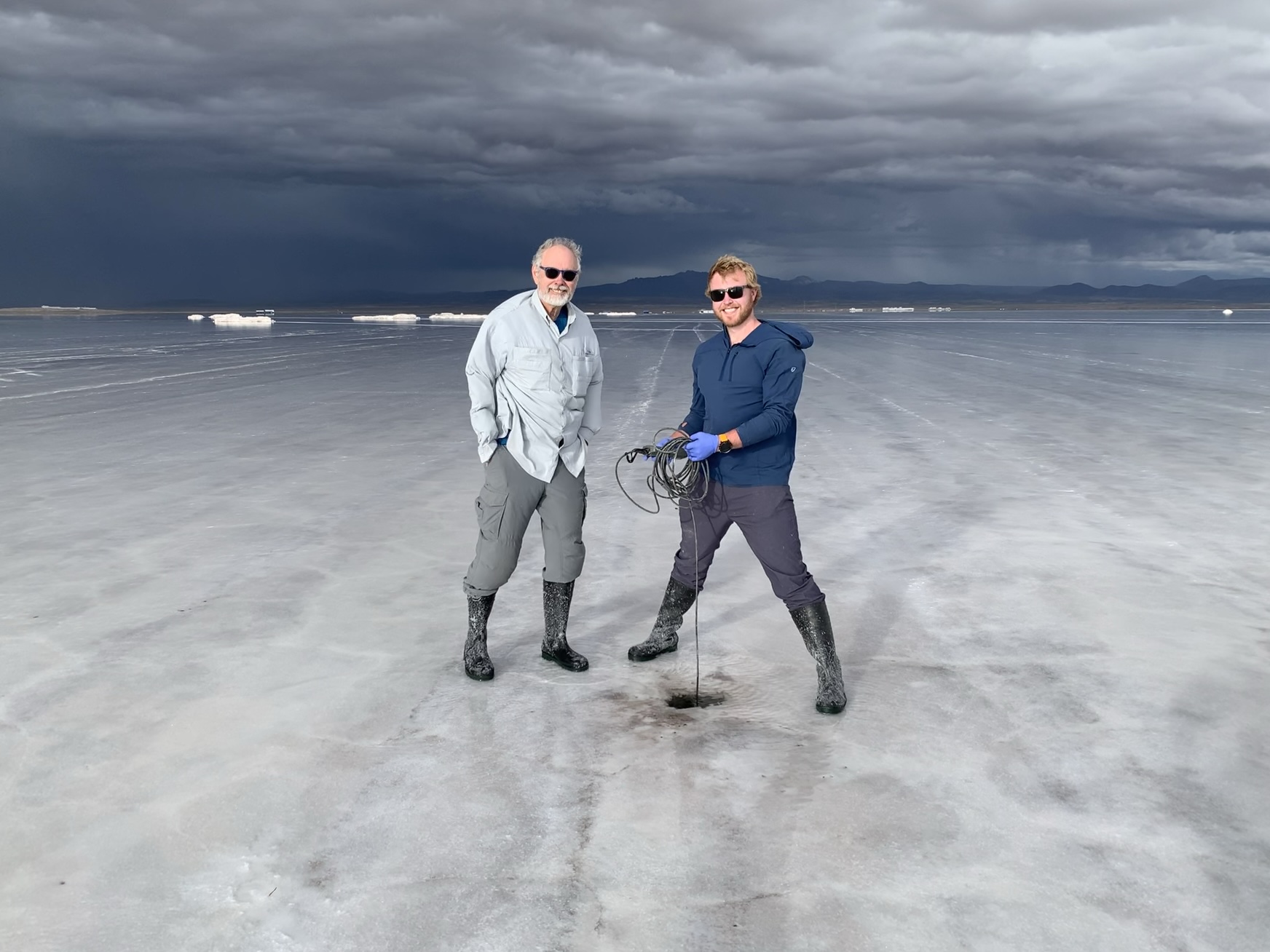
My research focuses on the Salar de Uyuni in Bolivia, the world’s largest salt flat (~10,000 km2) and the largest known lithium brine resource. Lithium production here remains in pilot stages, with sequential evaporation ponds and a pilot lithium carbonate facility currently operating. We have sampled and analyzed natural brines, evaporation-pond brines, and process wastewaters, tracing the evolution of brine chemistry through the entire industrial sequence. From this work, we showed that evaporating brines at the Salar de Uyuni behave uniquely: as they concentrate, they become increasingly acidic and enriched in conservative elements such as arsenic and boron (see our Environmental Science & Technology Letters article).
To explain the observed pH decrease in the evaporation ponds, we applied a suite of geochemical tools, including boron isotopes (δ11B), geochemical modeling, and elemental analyses. Our results demonstrate that pH decline is controlled by boron speciation, which governs brine alkalinity and therefore controls brine pH. Extending this work, we compiled a large dataset of global lithium-rich brines and demonstrated that the same process occurs throughout the Lithium Triangle and in Tibetan Plateau brines as well (see our Science Advances article).
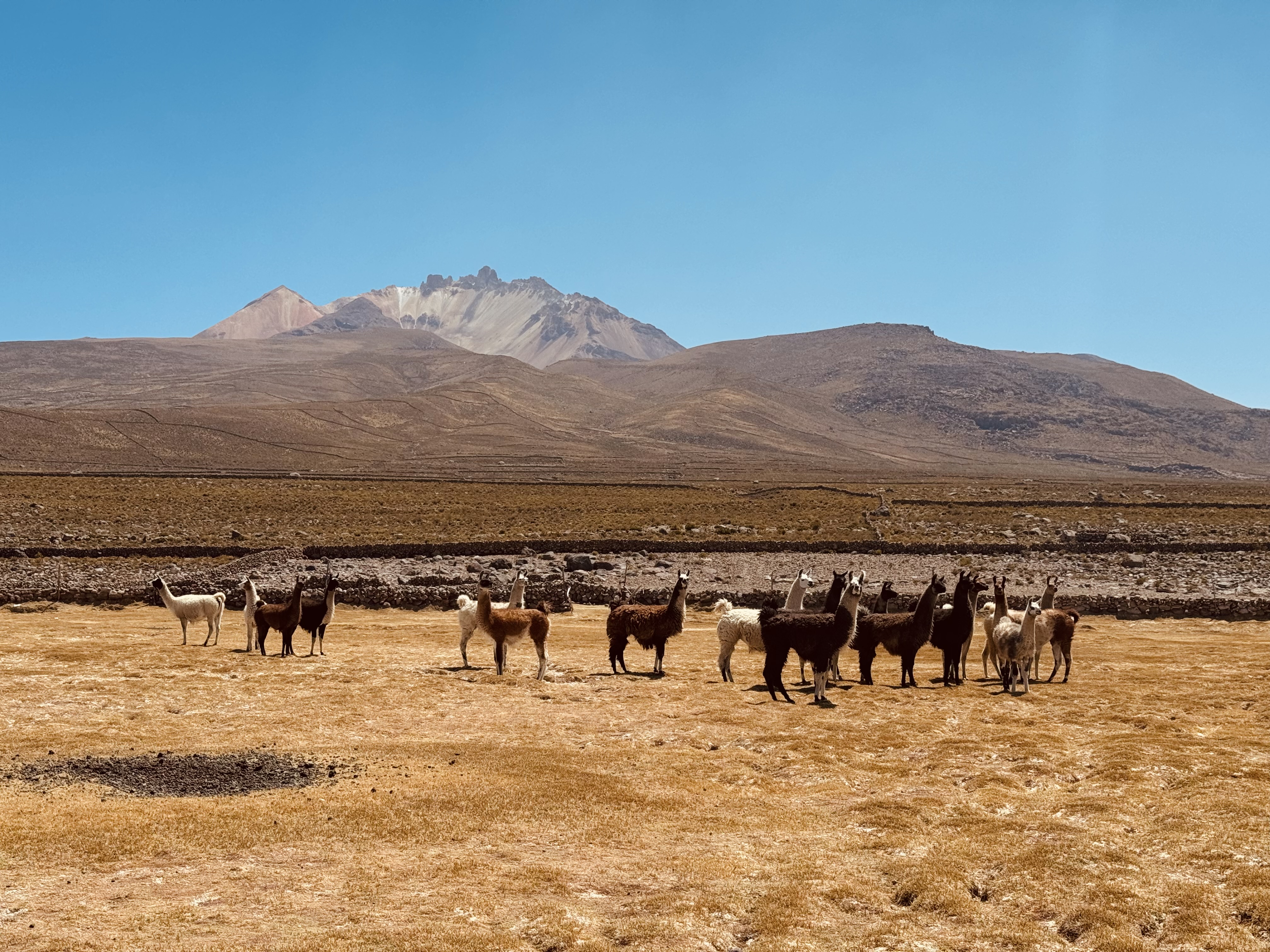
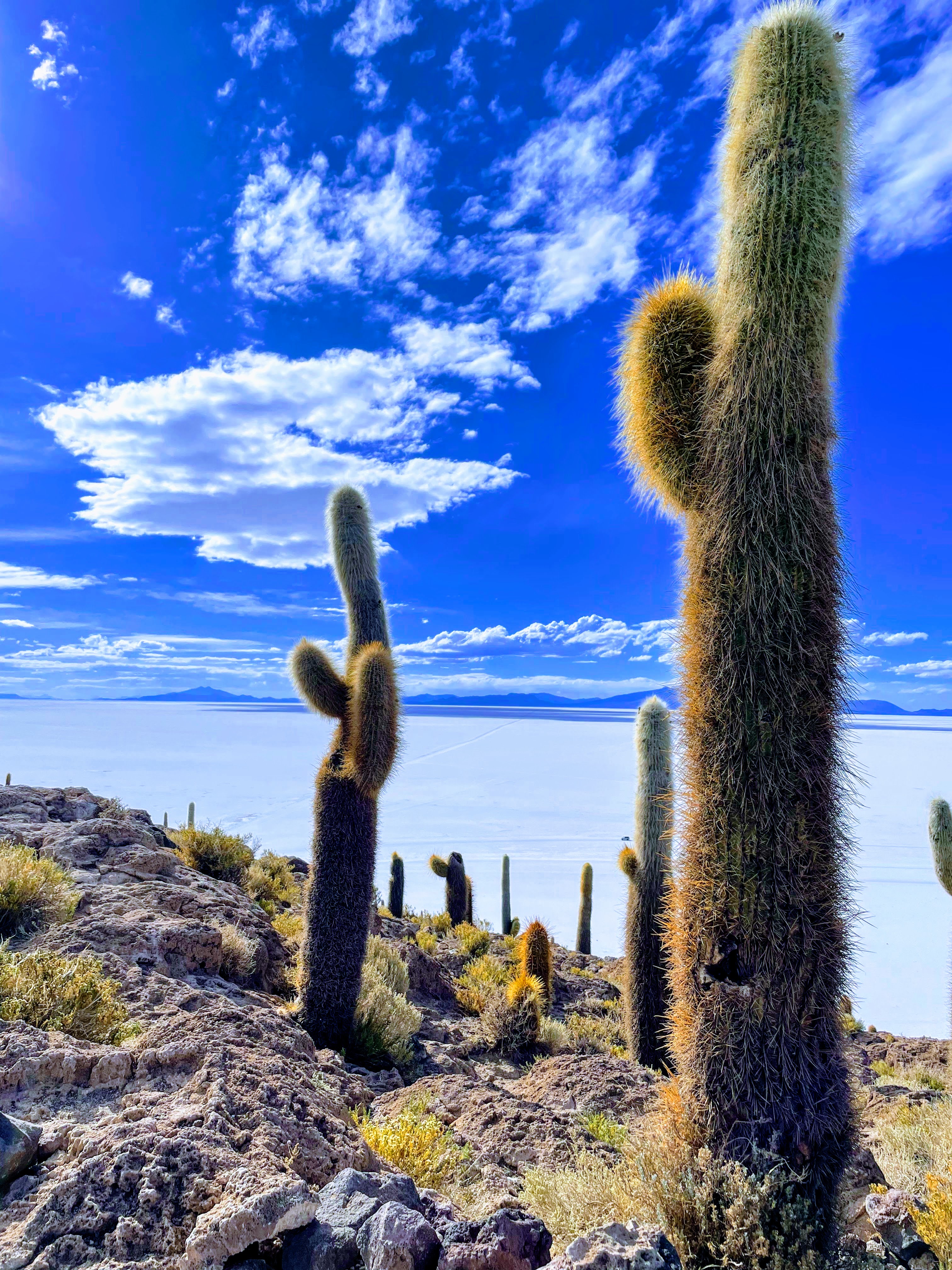
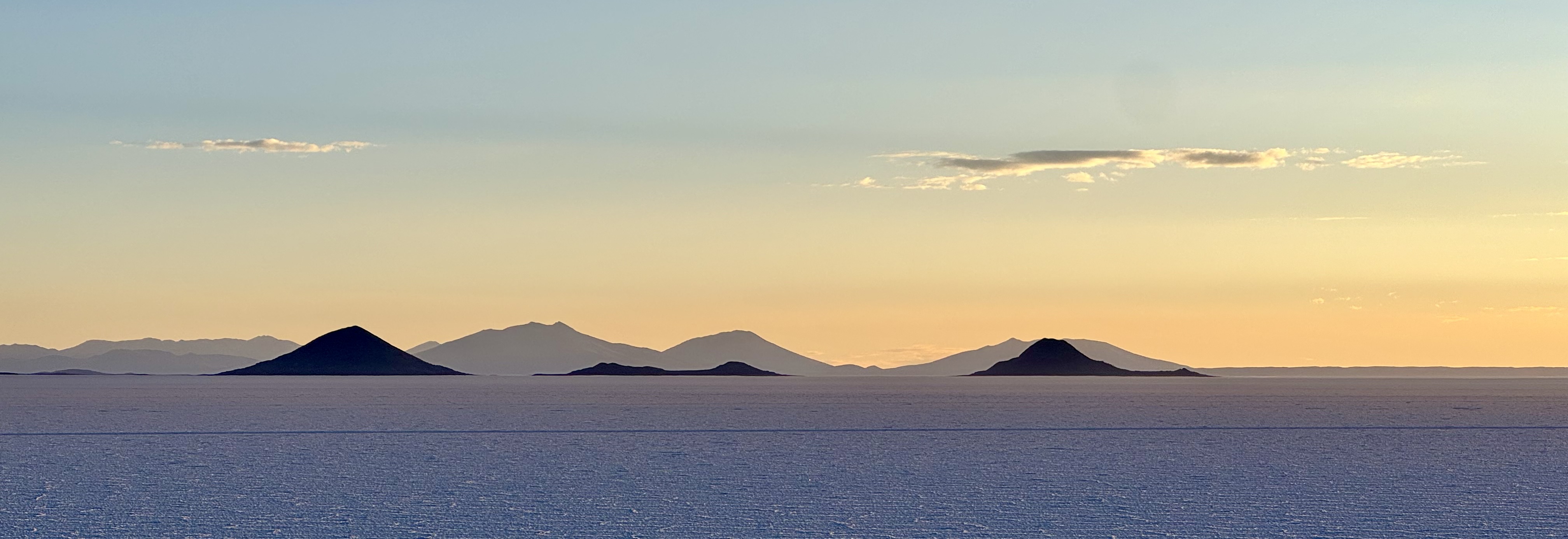
Photos from the Field
click to expand